
At Lac Hong University
LHU: A destination to learn about university management information systems
Without outsourcing or purchasing ready-made software, LHU develops its own management systems, designed by university administrators and faculty members themselves. This insider advantage has enabled LHU to integrate individual applications into a university management information system with interconnected data. As a result, LHU has become a destination for universities, academies, and delegations from Lao Cai, Hai Phong, Hanoi, Hue, Ho Chi Minh City to Dong Nai, seeking to learn from its experience, explore its systems, and pursue opportunities for collaboration.
A trusted destination for universities across Vietnam
Since late 2023, LHU has continued to welcome delegations seeking to learn about its information systems and university management experience. These delegations have come from across Vietnam and represent a wide range of fields, including medicine and pharmacy, teacher education, banking, foreign languages and tourism, military engineering, and international education, as well as local government authorities.
Among the universities particularly interested in LHU's management software are Ho Chi Minh City University of Education, Eastern International University, and Tran Dai Nghia University. Following the joint meeting, these institutions expressed a desire to hold more in-depth working sessions to strengthen cooperation in digital transformation, including data sharing and the development of university management information systems.
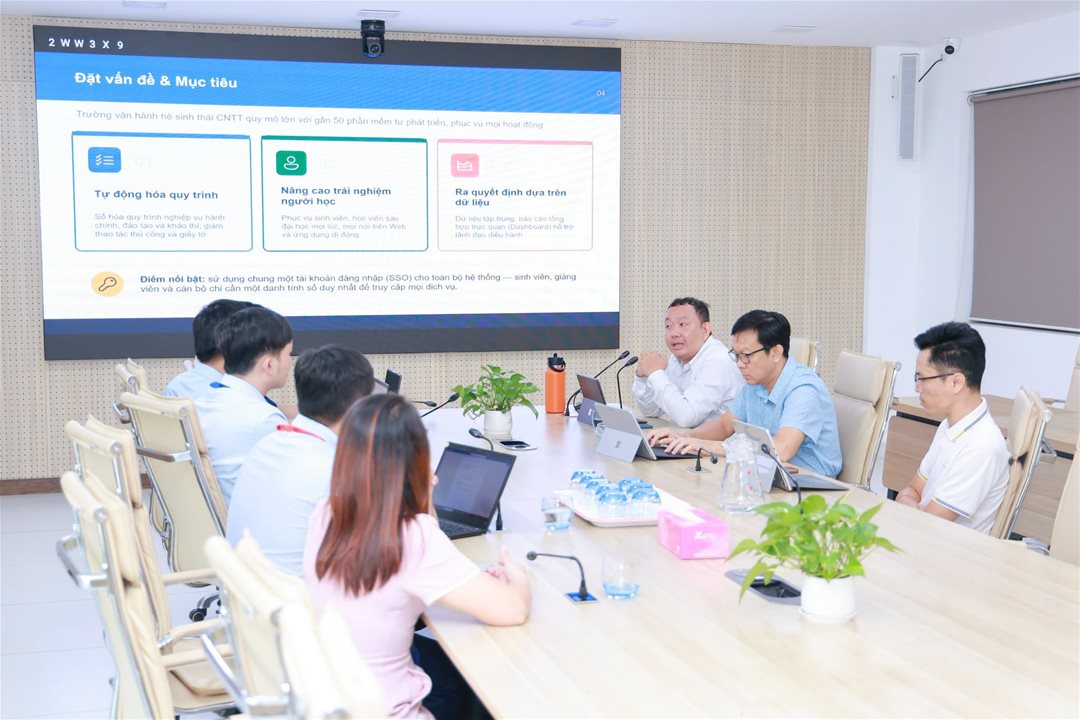
LHU shares its experience with Eastern International University
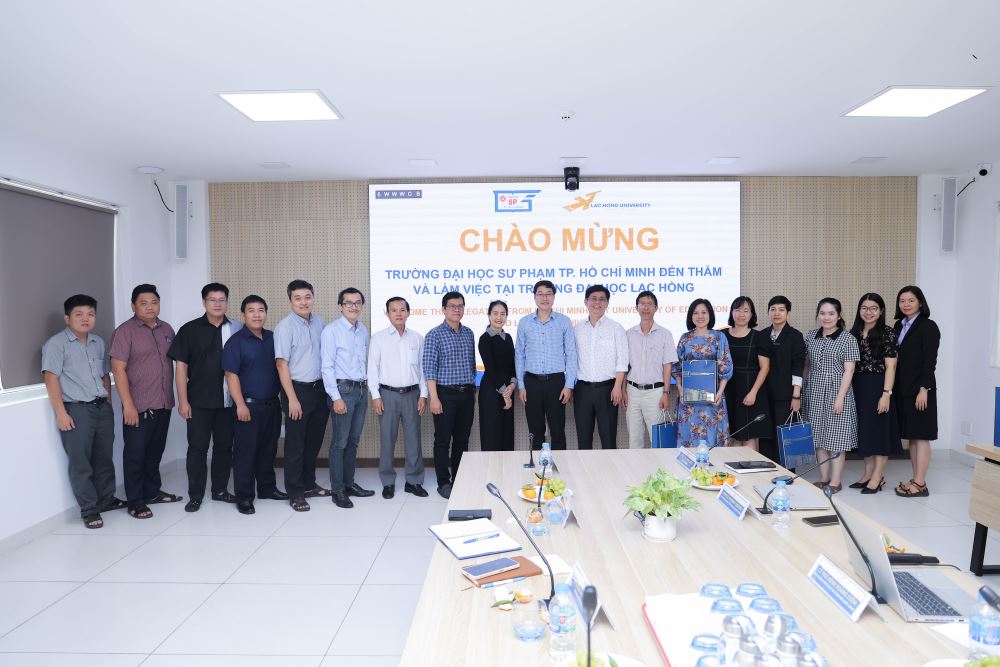
When colleagues share with colleagues, information systems go straight from needs to results
LHU's software for measuring program learning outcomes (PLOs) has also attracted interest from many universities. Ho Chi Minh City University of Banking included the software in its cooperation agreement with LHU, while the University of Medicine and Pharmacy, Hue University held in-depth discussions on the PLO system and data infrastructure supporting AUN-QA accreditation. Following a working session on August 25, 2026, a delegation from Tran Dai Nghia University (formerly known as the Military Technical Officer School) expressed interest in the possibility of signing a cooperation agreement, benchmarking data, and exploring the transfer of LHU's technology solutions.
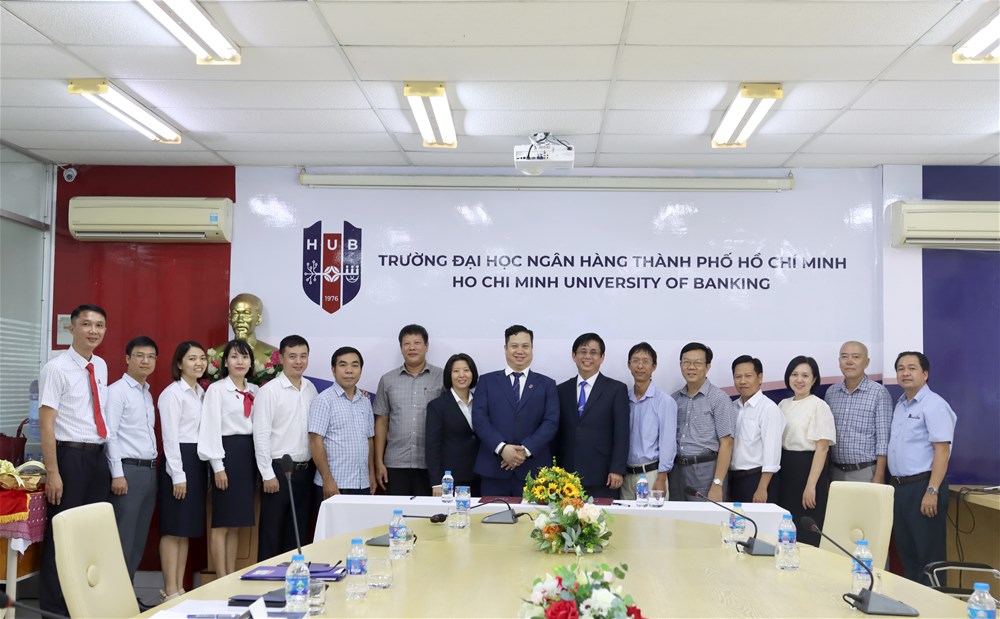
LHU shares its experience and signs an MoU with Ho Chi Minh City University of Banking
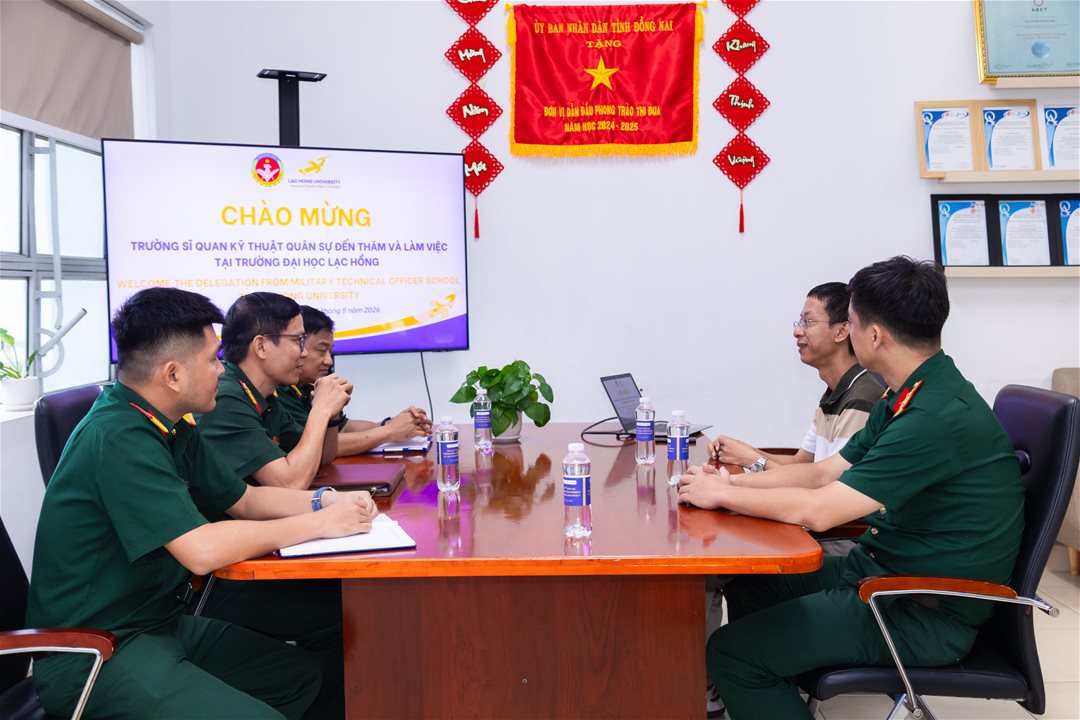
The Military Technical Officer School visits LHU to learn from its experience
LHU was also one of three institutions selected by delegations from the Standing Committee of the Lao Cai Provincial Party Committee and the Dong Nai City Party Committee to learn about digital transformation and innovation initiatives in Dong Nai. In addition to university management, LHU shared its experience in using artificial intelligence to design lectures, rubrics, exam papers, and support assessment. The guiding principle was emphasized by Assoc. Prof. Le Phuong Truong, Head of the Office of Educational Testing and Quality Assurance: “Technology cannot replace teachers, but it can replace teachers who do not know how to use it”.
Interconnected data determines the strength of digital university management
LHU's appeal lies in one core capability: its university management information system. Every university handles dozens of interconnected operations, including admissions, academic affairs, class and examination schedules, testing, tuition fees, scientific research, human resources, quality assurance, and community service. Scattered data make decision-making more difficult for university leaders, increase the time staff spend entering data, and make accreditation evidence harder to retrieve.
Resolution No. 57-NQ/TW on breakthroughs in science and technology development, innovation, and digital transformation, together with Decision No. 131/QD-TTg on digital transformation in education, makes data-driven management an essential requirement. Accreditation frameworks such as AUN-QA, ABET, and MOET standards also require institutions to support their assessments with quantitative evidence. At this level, information systems directly affect a university's management efficiency, operating costs, and competitiveness. The key question, therefore, is not whether a university has software, but who develops it.
Outsourcing: Strong technical skills, but limited understanding of university operations
Many universities commission technology companies to develop management software, hoping to save time and benefit from professional technical expertise. The weakness of this approach is not the companies' programming ability, but their position outside university operations. Software developers are not directly involved in university administration, teaching, or academic activities, so their understanding of the institution is based mainly on surveys and written requirements.
This gap often becomes apparent during the design stage. Credit-based training regulations, program learning outcome measurement methods, and accreditation evidence requirements may be conveyed only through written descriptions. Exceptional cases that regularly arise in academic administration can easily be overlooked. Without direct experience in scheduling examinations, preparing self-assessment reports, or working with accreditation teams, developers may also struggle to identify which data the university actually needs. As a result, software may go through repeated rounds of revisions and end up digitizing forms rather than becoming a practical tool for decision-making and quality improvement.
These problems continue during daily operations. When the system has problems during course registration or grade announcements, the university must wait for the software provider to receive and fix the issue, while thousands of students are affected. Every time regulations, circulars, or accreditation standards change, the university has to negotiate, sign contract add-ons, and pay upgrade fees. As a result, software costs increase over time.
In the long run, the university may lose control over its own management system. When different software programs are provided by different companies, they can create separate data systems that cannot connect with each other. This makes things difficult for users, especially when managers need an overall view of data to make decisions.
In addition, the source code and knowledge of how the system works remain with the developers. If the partner changes its staff, ends the contract, or stops providing support, the university may have to start almost from the beginning. This leaves the university with little control and costs more time and money to make changes.
Software developed by University staff: Better understanding, faster improvements, and greater control over data
At LHU, software is designed and developed by administrators, lecturers, and staff who are directly involved in academic operations and other university management activities. There is no gap between those requesting a solution and those developing it. This insider perspective is the foundation of advantages that external developers can hardly match.
These advantages begin at the design stage. LHU's developers understand training regulations, program learning outcome measurement, and accreditation standards through their daily work. This enables them to address practical management challenges from the earliest versions of the software. They are also the people who schedule examinations, prepare self-assessment reports, and work with accreditation teams. As a result, data is organized to answer management questions and provide supporting evidence, rather than simply being stored. Every semester, examination period, and accreditation review puts the software to the test and creates opportunities for further improvement.
During operation, technical issues can be fixed by LHU's own staff without waiting for a third party. New regulations from the Ministry of Education and Training or new requirements from accreditation standards can be added to the system in time, without the need for negotiations, contract amendments, or upgrade costs.
In the long term, LHU has full control over its source code and data. The University also builds a team that understands both higher education and technology. Knowledge of the system stays within the University and grows over the years, allowing the system to improve continuously and meet the changing needs of university management in the digital age.
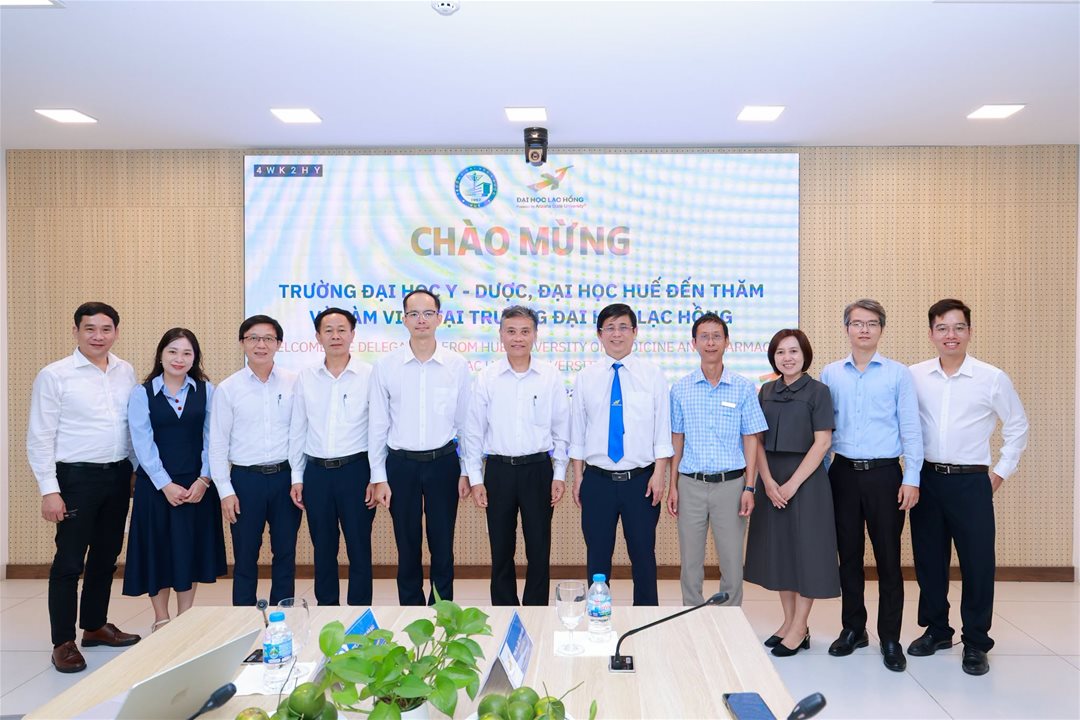
The University of Medicine and Pharmacy, Hue University, visits LHU to learn from its experience
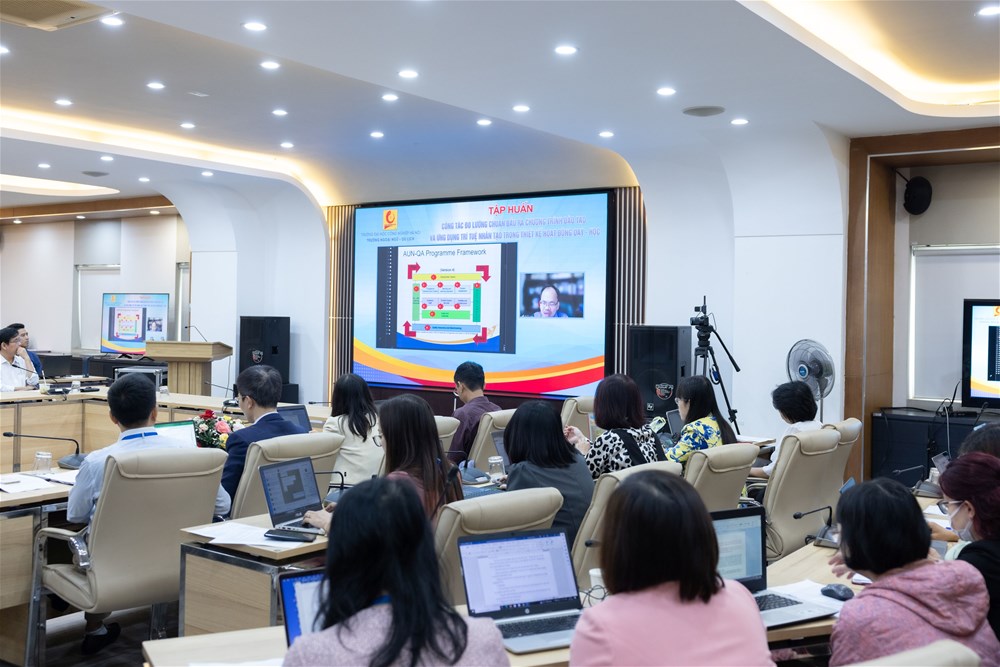
From experience sharing to training and capacity building for other universities
When sharing its information system with other universities, LHU does not act as a technology provider but as a colleague sharing experience with colleagues. LHU offers solutions that have been tested in the daily work of a university, along with management, testing, and accreditation experience from the very people who designed and use them. This is a value that software developed by outside companies cannot provide.
From separate software applications developed by its own staff, LHU has built a university management information system that it owns and controls. The system has been tested in daily use and can be shared with and transferred to other institutions. This is a long-term competitive advantage for LHU and a practical contribution to the digital transformation of higher education in Vietnam.
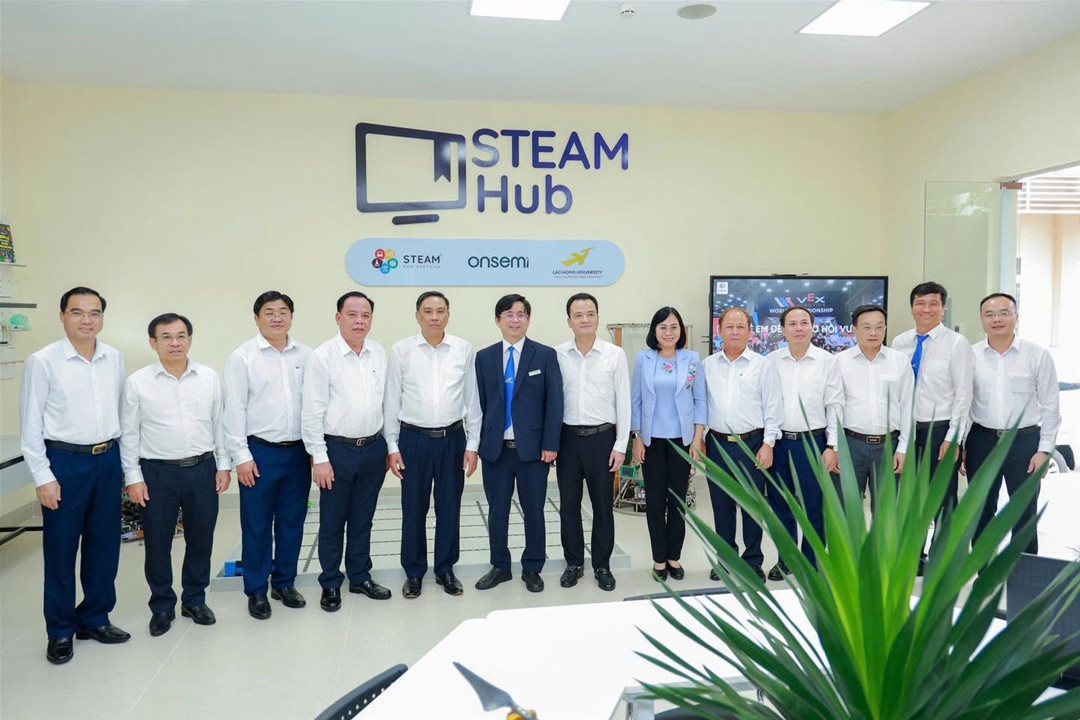
The delegation from the Standing Committee of the Lao Cai Provincial Party Committee and the Dong Nai City Party Committee visits LHU to learn about its digital transformation model
LHU # information systems # digital transformation # management software # accreditation
