
Explore Our SDGs
CONTENTS
Sdg 10 - reduced inequalities
Reduce inequality within and among countries
The wealth gap between the world's richest and poorest continue to grow and it's effect on many communities and individuals have become increasingly detrimental. The ten targets aim to provide monetary equality, investments to further develop developing countries, facilitate the migrant and mobility of people.
RESEARCH
Research Areas
Lac Hong University’s SDG 10 research examines financial inclusion, income inequality, financial stability, banking resilience, economic development, and crisis vulnerability. Studies explore how digital finance, bank performance, capital adequacy, and financial development can reduce disparities, strengthen access to financial systems, and support more inclusive, resilient, and equitable economic growth.
EDUCATION
Tracking applications and access for underrepresented groups
Lac Hong University systematically tracks applications and admissions among underrepresented groups, including women, ethnic minorities, low-income students, and students with disabilities. Annual data are recorded and analysed to monitor access trends, identify disparities, inform inclusive admissions policies, and strengthen targeted support measures that promote equitable access to higher education opportunities.
First-generation students
At Lac Hong University, we are proud of our long-standing commitment to expanding access to higher education, particularly for individuals who may be the first in their families to attend university. We strive to create meaningful opportunities that enable learners from diverse backgrounds to pursue education, develop their potential, and build brighter futures.
Students from developing countries
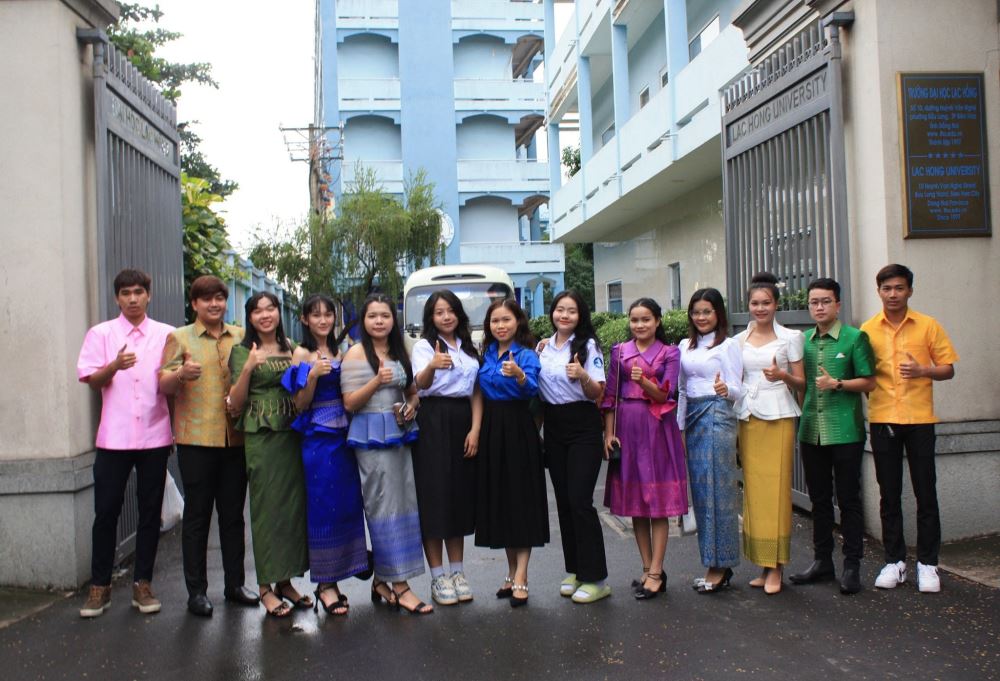
Lac Hong University extends educational opportunities to students from low- and lower-middle-income countries through targeted financial and academic support. These include Vietnamese language scholarships, academic scholarships, affordable undergraduate and postgraduate programmes, and exchange opportunities for students from countries such as Laos and Cambodia. Students enrolled in the one-year Vietnamese language programme also receive free dormitory accommodation, helping reduce financial barriers and support successful study at LHU.
OPERATIONS
Gender equality policy and Code of conduct
Lac Hong University’s Gender Equality Policy and Code of Conduct prohibits discrimination and harassment across admissions, study, employment, and campus participation. It requires transparent, anti-discrimination and establishes an Equality, Diversity and Inclusion Board (EDI Board) to advise, monitor implementation, provide training, receive reports, protect complainants, and strengthen inclusive practices university-wide consistently.
Support and recruitment of students, staff, and faculty from underrepresented groups
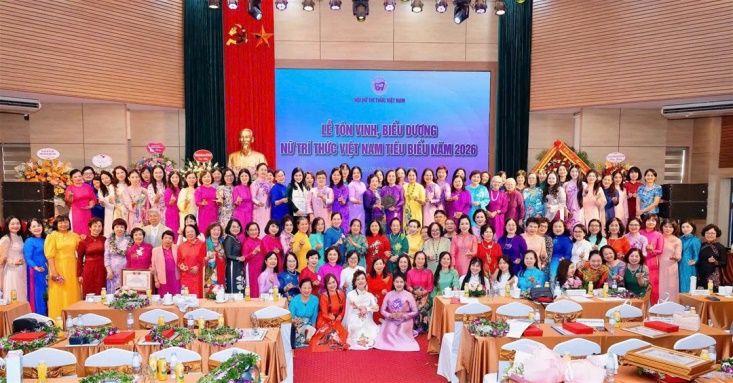
Lac Hong University implements formal regulations and an annually reviewed action plan with clear recruitment and support targets for underrepresented students, staff, and faculty. Coordinated resources provide scholarships, mentoring, counselling, accessibility support, peer networks, and career pathways. The EDI Board supports implementation, while student-led Disabled Students, Women’s, and Global Students Networks strengthen representation and advocacy.
Support for individuals with disabilities
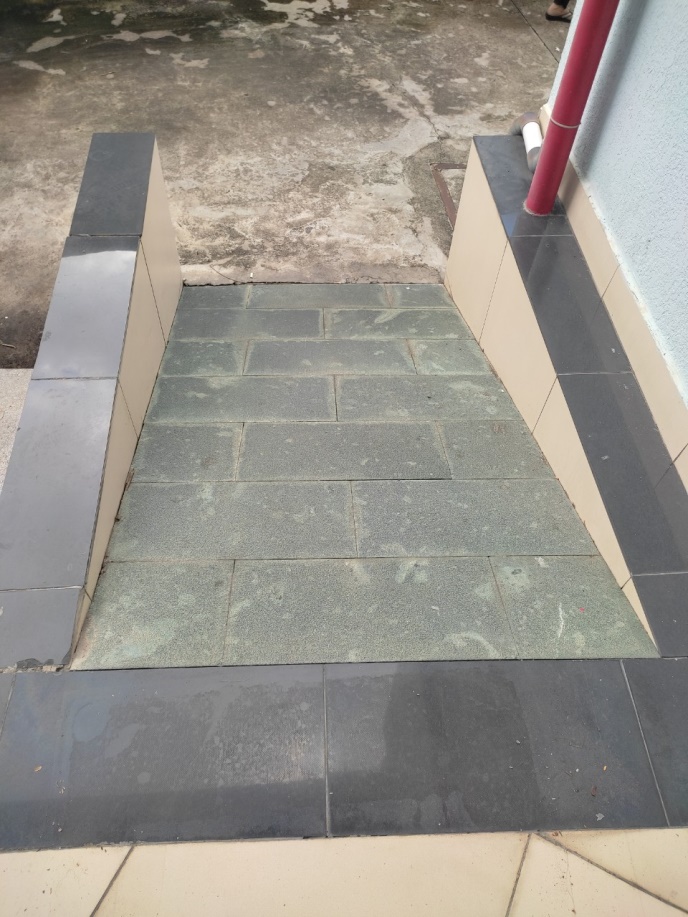
Lac Hong University supports individuals with disabilities through formal regulations, accessible facilities, disability services, mentoring, academic adjustments, financial assistance, and accommodation arrangements. Coordinated offices provide ramps, accessible dormitories, lower-floor classrooms, learning aids, counselling, career guidance, tuition support, individualized education plans, and reasonable exemptions to promote equitable participation and academic success.
ENGAGEMENT
Support for vulnerable groups
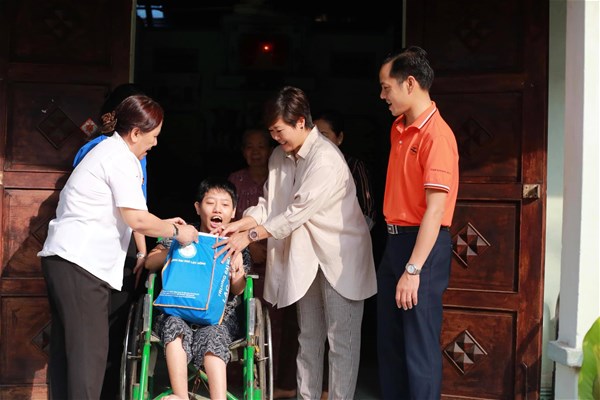
Lac Hong University engages with vulnerable communities through sustained outreach and volunteer programmes supporting disadvantaged children, people with disabilities, older adults, low-income households, Agent Orange/dioxin victims, and disaster-affected communities. Initiatives provide scholarships, learning materials, computers, food, healthcare assistance, livelihood support, and recurring financial aid, helping improve educational access, social inclusion, resilience, dignity, and community well-being across local areas and beyond.
